Transporting an office chair may seem like a straightforward task, but it involves several considerations to ensure the chair arrives at its destination in perfect condition. As an office chair supplier, I've encountered various challenges and learned effective methods for transporting different types of office chairs. In this blog, I'll share some valuable insights on how to transport an office chair safely and efficiently.
Understanding the Chair's Structure
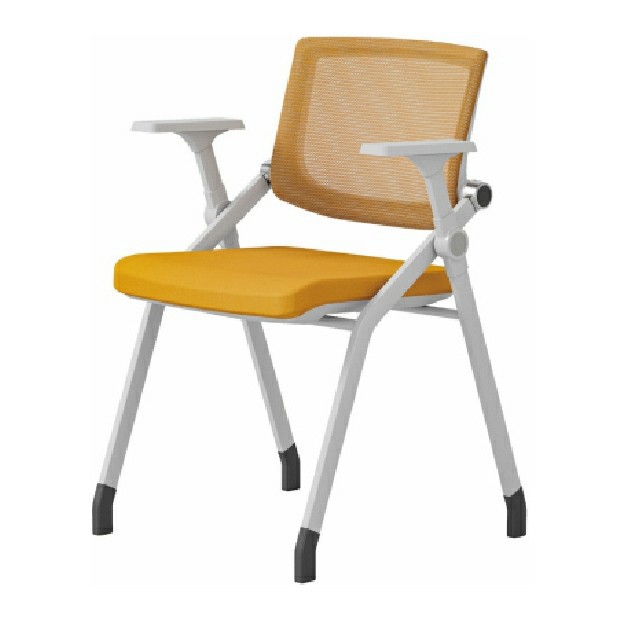
Before you start the transportation process, it's crucial to understand the structure of the office chair. Different types of chairs have unique components that require special handling. For example, Comfortable Folding Office Chairs are designed to be easily folded and stored, which makes them relatively easy to transport. On the other hand, Tulip Chair with its distinctive shape and often delicate materials may need more careful packaging.
Disassembly
One of the first steps in transporting an office chair is to disassemble it if possible. This not only makes the chair easier to handle but also reduces the risk of damage during transit. Most office chairs can be disassembled into several parts, such as the seat, backrest, armrests, and base.
- Tools Required: You'll need a set of basic tools, including a screwdriver, wrench, and pliers. Make sure you have the right size of tools for the screws and bolts on your chair.
- Disassembly Process: Start by removing the armrests if they are detachable. Then, loosen the bolts or screws that connect the seat to the base. Carefully separate the backrest from the seat. If the chair has wheels, remove them as well. Keep all the screws and small parts in a labeled bag to avoid losing them.
Packaging
Proper packaging is essential to protect the office chair during transportation. Here are some tips on how to package different parts of the chair:
- Seat and Backrest: Wrap the seat and backrest with bubble wrap or foam padding to prevent scratches and dents. You can use packing tape to secure the wrapping. Place the wrapped seat and backrest in a sturdy cardboard box. Make sure the box is large enough to accommodate the parts without squeezing them.
- Base and Wheels: Wrap the base and wheels with bubble wrap or newspaper. Place them in a separate box or wrap them together in a large plastic bag. If the base is heavy, consider using a box with reinforced corners to prevent it from breaking through the box.
- Armrests and Small Parts: Place the armrests and small parts in a small box or a plastic container. Label the container clearly to indicate the contents.
Choosing the Right Transportation Method
The choice of transportation method depends on several factors, such as the distance, the size and weight of the chair, and your budget. Here are some common transportation methods:
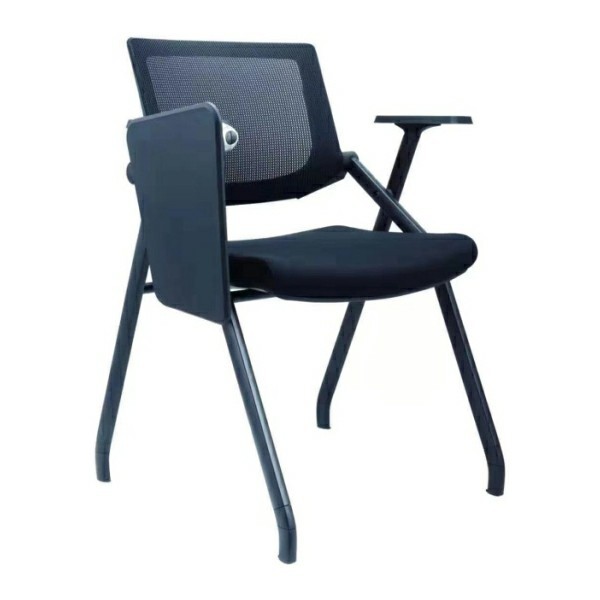
- Shipping Companies: If you need to transport the chair over a long distance, using a shipping company is a convenient option. You can choose from different shipping services, such as ground shipping, air shipping, or express shipping. Make sure to choose a reliable shipping company that offers insurance for your chair.
- Moving Trucks: If you are moving to a new location and have multiple items to transport, renting a moving truck may be a cost-effective option. You can load the chair and other items into the truck and transport them yourself. Make sure to secure the chair properly in the truck to prevent it from moving during transit.
- Delivery Services: Some office chair suppliers offer delivery services for their products. If you purchase a chair from a supplier, they may be able to deliver it to your location. This can save you the hassle of transporting the chair yourself.
Loading and Unloading
When loading and unloading the office chair, it's important to be careful to avoid damage. Here are some tips on how to load and unload the chair safely:
- Loading: When loading the chair into a vehicle, make sure to place it in a stable position. If the chair is in a box, stack the boxes carefully to prevent them from falling. Use straps or ropes to secure the chair to the vehicle to prevent it from moving during transit.
- Unloading: When unloading the chair, be careful not to drop it or damage it. Use a dolly or a hand truck to move the chair if it is heavy. If the chair is in a box, open the box carefully and remove the parts one by one.
Additional Tips
- Insurance: Consider purchasing insurance for your office chair during transportation. This can protect you from financial loss in case the chair is damaged or lost during transit.
- Tracking: If you are using a shipping company, make sure to track the shipment to ensure that it arrives at its destination on time.
- Documentation: Keep all the documentation related to the transportation of the chair, such as the shipping label, invoice, and insurance policy. This can be useful in case of any issues or disputes.
Conclusion
Transporting an office chair requires careful planning and preparation. By understanding the chair's structure, disassembling it properly, packaging it securely, choosing the right transportation method, and loading and unloading it safely, you can ensure that the chair arrives at its destination in perfect condition. As an office chair supplier, I'm always happy to provide advice and assistance on transporting our products. If you have any questions or need help with transporting an office chair, please don't hesitate to contact us for more information and to discuss your procurement needs.
References
- General knowledge and experience in the office chair supply industry.