Organizing wines in a home wine cabinet is not only a practical skill but also an art that can enhance your wine - tasting experience. As a Home Wine Cabinet supplier, I've witnessed firsthand how a well - organized wine cabinet can transform a wine collection. In this blog, I'll share some valuable tips on how to organize wines in a home wine cabinet effectively.
Understanding Your Wine Cabinet
Before you start organizing your wines, it's crucial to understand the features of your home wine cabinet. Different wine cabinets come with various capacities, temperature zones, and shelving options. Some cabinets are designed for storing a small number of high - end wines, while others can accommodate a large collection.
Our Home Wine Cabinet offers a wide range of sizes and configurations to meet different needs. It has adjustable shelves, which allow you to customize the space according to the size and shape of your wine bottles. The temperature control system ensures that your wines are stored at the optimal temperature, preserving their flavor and quality.
Categorizing Your Wines
One of the first steps in organizing your wines is to categorize them. You can categorize wines based on several factors, such as type, region, vintage, or price.
By Type
Wines can be broadly classified into red, white, rosé, and sparkling wines. Each type has different storage requirements. Red wines generally need to be stored at a slightly higher temperature than white wines. By separating your wines by type, you can ensure that each category is stored under the appropriate conditions.
By Region
Wine regions around the world have unique characteristics. Grouping your wines by region can help you explore different wine - making styles. For example, you can have a section for French wines, another for Italian wines, and so on. This way, it's easier to discover new wines from the same region and compare their flavors.
By Vintage
Vintage refers to the year in which the grapes were harvested. Wines from different vintages can have different flavors and qualities. You can organize your wines by vintage, with the older wines at the back and the newer ones at the front. This makes it easier to keep track of the aging process and decide when to open a particular bottle.
By Price
If you have a mix of high - end and more affordable wines, you can organize them by price. This can be useful for budgeting and also for choosing the right wine for different occasions. You can keep the more expensive wines in a separate section for special events.
Arranging Wines in the Cabinet
Once you've categorized your wines, it's time to arrange them in the cabinet. Here are some tips on how to do it:
Use Vertical and Horizontal Storage
Most wine bottles are designed to be stored horizontally to keep the cork moist. However, some wine cabinets have vertical storage options, which can be useful for displaying certain bottles or for saving space. You can use a combination of vertical and horizontal storage to make the most of your cabinet's space.
Place Similar Wines Together
Keep wines of the same type, region, or vintage together. This not only makes it easier to find the wine you want but also creates a visually appealing display. For example, you can group all your red Bordeaux wines together on one shelf.
Consider Accessibility
Place the wines you drink most often at the front and at eye - level. This way, you can easily reach them without having to move other bottles. Reserve the back and lower shelves for wines that you don't drink as frequently or for wines that are meant for long - term storage.
Maintaining Your Wine Cabinet
Organizing your wine cabinet is not a one - time task. You need to maintain it regularly to ensure that your wines are in good condition.
Temperature and Humidity Control
The temperature and humidity inside the wine cabinet are critical for preserving the quality of your wines. Most red wines should be stored at a temperature between 55°F and 65°F (13°C - 18°C), while white wines should be stored at a slightly lower temperature, around 45°F - 55°F (7°C - 13°C). The humidity level should be kept between 50% and 70% to prevent the cork from drying out.
Cleaning
Regularly clean your wine cabinet to remove dust and debris. You can use a soft cloth to wipe the shelves and the interior of the cabinet. Avoid using harsh chemicals that could damage the wood or the finish of the cabinet.
Inventory Management
Keep an inventory of your wine collection. You can use a spreadsheet or a dedicated wine - tracking app to record the type, region, vintage, and quantity of each wine. This will help you keep track of your collection and make informed decisions about when to buy or drink certain wines.
Complementary Home Furnishings
A well - organized wine cabinet can be a great addition to your home. To create a complete and stylish wine - tasting environment, you can consider adding some complementary home furnishings.
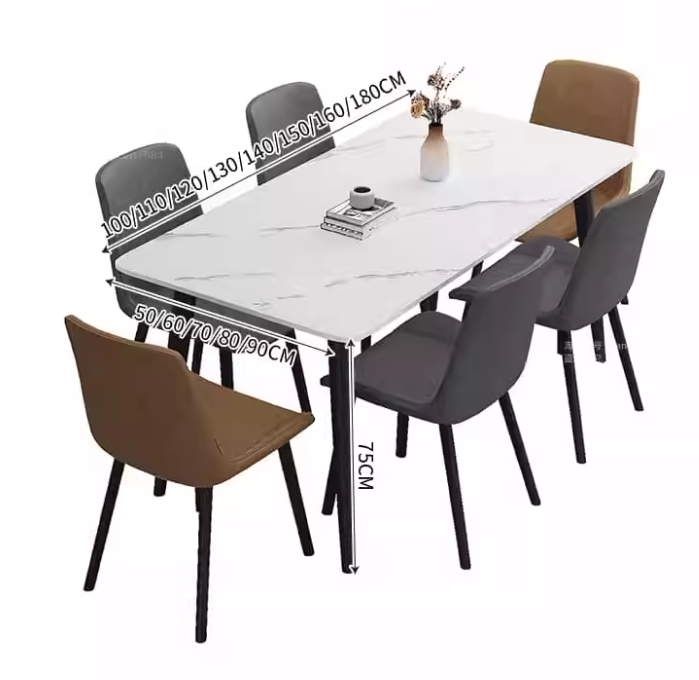
Our Modern Home Dining Table is a perfect choice for hosting wine - tasting parties. It provides a spacious surface for displaying wine bottles and glasses, and its modern design can enhance the overall aesthetic of your dining area.
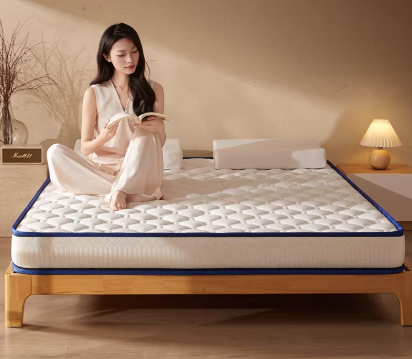
If you want to create a cozy and comfortable wine - tasting space, our Home Queen Mattress can be a great addition. You can set up a small wine - tasting nook with a comfortable bed, where you can relax and enjoy your wines.
Contact for Purchase and Consultation
If you're interested in our Home Wine Cabinet or need more information on wine organization, we're here to help. Whether you're a wine enthusiast looking to organize your collection or a professional in the wine industry, we can provide you with the best solutions. Feel free to reach out to us for a consultation and to discuss your specific needs.
References
- Robinson, J. (2006). The Oxford Companion to Wine. Oxford University Press.
- Puckette, R. (2015). Wine Folly: The Essential Guide to Wine. Avery.
- Zraly, K. (2008). Windows on the World Complete Wine Course. HarperCollins.