Hey there! As a supplier of Anti - Static PVC Floor, I've been getting a lot of questions lately about how our Anti - Static PVC Floor stacks up against tiles in terms of anti - static performance. So, I thought I'd take a deep dive into this topic and share my insights with you.
Let's start by understanding what anti - static performance means. In simple terms, anti - static materials are designed to prevent the build - up of static electricity. Static electricity can cause a whole bunch of problems, especially in environments like laboratories, electronics manufacturing plants, and data centers. It can damage sensitive electronic components, cause dust and debris to stick to surfaces, and even pose a fire hazard in some cases.
Anti - Static PVC Floor
Our Anti - Static PVC Floor is made from polyvinyl chloride (PVC) with special anti - static additives. These additives help to dissipate static charges quickly, keeping the surface of the floor at a low electrostatic potential. One of the key advantages of Anti - Static PVC Floor is its flexibility. It can be easily installed in areas with irregular shapes or corners, which is a big plus in many industrial and commercial settings.
The anti - static properties of PVC floor are quite reliable. It can maintain a consistent anti - static performance over a long period of time. The surface resistance of our Anti - Static PVC Floor is typically in the range of 10^6 to 10^9 ohms, which is within the acceptable range for most anti - static applications. This means that it can effectively prevent the build - up of static electricity and protect sensitive equipment.
Another great thing about Anti - Static PVC Floor is its ease of maintenance. It can be easily cleaned with a damp mop or a mild cleaning solution. Unlike some tiles, it doesn't have grout lines where dirt and debris can accumulate, making it a more hygienic option in environments where cleanliness is crucial.
Tiles
Tiles are a popular choice for flooring in many buildings. They come in a wide variety of materials, such as ceramic, porcelain, and natural stone. When it comes to anti - static performance, not all tiles are created equal.
Some tiles are treated with anti - static coatings, but these coatings can wear off over time, especially in high - traffic areas. The anti - static performance of tiles can also be affected by factors like humidity and temperature. In dry conditions, the anti - static properties of tiles may be reduced, which can lead to static build - up.
Tiles also have grout lines, which can be a breeding ground for bacteria and dirt. Cleaning these grout lines can be a real pain, and if not properly maintained, they can compromise the overall cleanliness of the floor.
Comparison
Let's compare the two in terms of anti - static performance:
- Consistency: Anti - Static PVC Floor offers more consistent anti - static performance. The anti - static additives are evenly distributed throughout the material, ensuring that the surface resistance remains stable. Tiles, on the other hand, may have inconsistent anti - static properties, especially if the anti - static coating is not applied evenly or wears off.
- Durability: Our Anti - Static PVC Floor is designed to withstand heavy foot traffic and wear. It has a long service life and can maintain its anti - static properties for years. Tiles may crack or chip over time, which can affect their anti - static performance.
- Installation: Anti - Static PVC Floor is easier to install, especially in complex areas. Tiles require more precise installation, and any mistakes can lead to uneven surfaces or gaps, which may impact the anti - static performance.
- Maintenance: As mentioned earlier, Anti - Static PVC Floor is easier to clean and maintain. Tiles require more effort to keep clean, especially the grout lines.
Applications
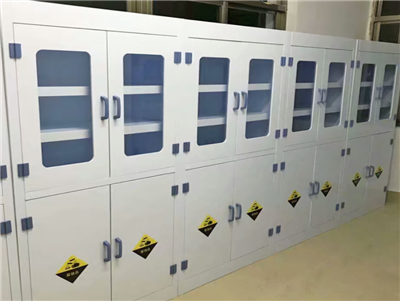
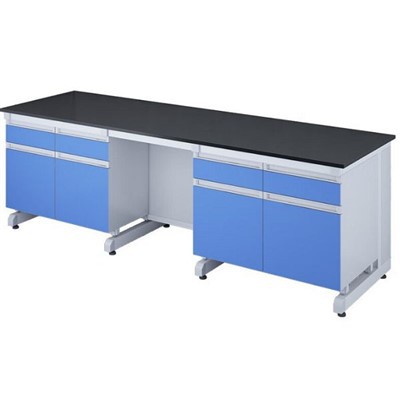
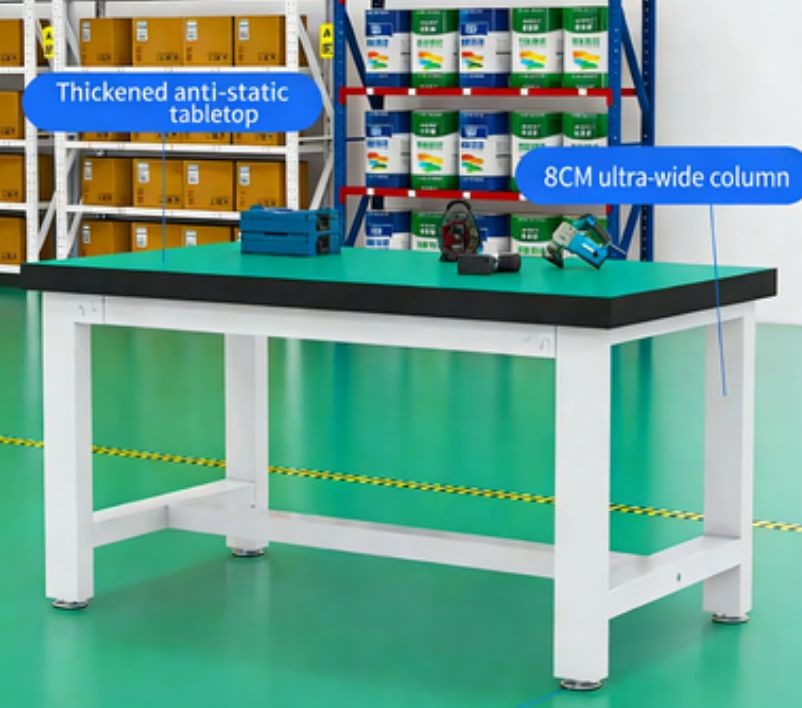
In environments where anti - static performance is critical, such as laboratories and electronics manufacturing plants, Anti - Static PVC Floor is often the preferred choice. For example, in a laboratory, the Laboratory Reagent Rack and Anti Static Work Bench are usually used in conjunction with Anti - Static PVC Floor to create a static - free environment.
In commercial buildings like offices and retail stores, tiles may be a more common choice due to their aesthetic appeal. However, if anti - static performance is a concern, Anti - Static PVC Floor can still be a great option, as it can provide both functionality and style.
Conclusion
In conclusion, when it comes to anti - static performance, Anti - Static PVC Floor has several advantages over tiles. It offers more consistent performance, is easier to install and maintain, and is more durable. If you're in the market for a flooring solution that can effectively prevent static build - up, I highly recommend considering our Anti - Static PVC Floor.
If you're interested in learning more about our Anti - Static PVC Floor or have any questions about its anti - static performance, feel free to reach out to us. We're always happy to help you find the best flooring solution for your needs.
References
- "Handbook of Static Control", Electrostatic Discharge Association
- "Flooring Materials and Their Properties", Building Materials Research Institute