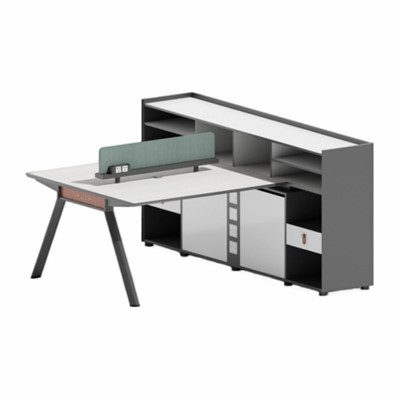
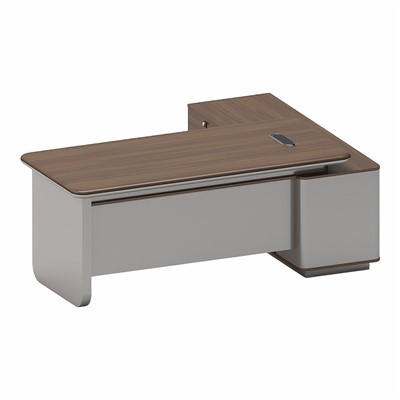
Key furniture in hotels includes beds, bedside tables, wardrobes, desks, sofas, coffee tables, and dining tables and chairs. These are the core components ensuring a basic accommodation experience and functional space for guests.
1. Guest Room Area: Functional Combination Centered Around the Bed
Bed and Mattress: Directly impacts sleep quality and is the furniture guests care about most. It must be ergonomic, supportive, quiet, and durable.
Bedside Table: Provides convenient functions such as lighting, charging, and storage, often integrating a smart control panel.
Custom Wardrobe: Features hanging areas, drawers, and safes, balancing storage and security needs.
Business Desk and Chair: Meets the office needs of modern travelers, equipped with power outlets and USB ports to enhance practicality.
2. Public Areas: Visual Focus Shaping the First Impression
Lobby Sofa and Coffee Table: Forms the main furnishings in the reception area, serving waiting and meeting functions. The design must balance aesthetics and durability.
Reception Desk: Although a fixed piece of furniture, its design and materials directly reflect the hotel's level as the service hub.
3. Dining Area: Key Furniture Components Affecting the Dining Experience
Tables and Chairs: Must be stable, comfortable, and easy to clean. Material selection should match the restaurant's style (e.g., solid wood conveys high-end, metal suits a modern style).
Bar Counter and Stools: Commonly found in lobby bars or restaurants, supporting social settings; height and seating comfort are particularly important.
4. Other Key Functional Furniture
Luggage Racks: Facilitate luggage organization for guests; often feature foldable designs to save space.
Chairs and Side Tables: Placed in corridors, balconies, or guest room corners to enhance space utilization and comfort.