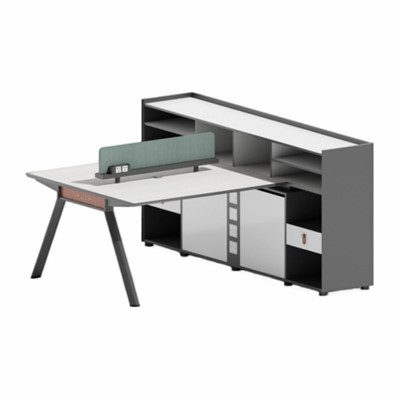
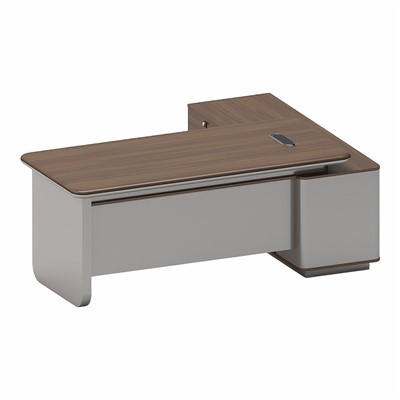
Hotel furniture suffers more wear and tear than residential furniture. Different guests have different needs and varying attitudes towards furniture care, resulting in significant differences in material requirements:
1. Hotel furniture, such as coffee tables and desks, is best suited for high-hardness, wear-resistant, and scratch-resistant finishes. Guests often smoke in these areas, potentially burning the furniture surface. Therefore, the design should prioritize fire resistance, using fire-retardant finishes or glass. Residential furniture generally doesn't require this consideration. For example, chair upholstery should be flame-retardant, while residential furniture doesn't.
2. Hotel furniture needs good waterproof and moisture-proof properties. Hotel bathrooms are often located near guest rooms, exposed to damp towels, steam, and seasonal changes, which can cause furniture deformation, edge banding peeling, and mold growth, affecting the furniture's appearance, damaging the hotel's image, and directly impacting occupancy rates. Residential furniture is relatively less susceptible to these issues.
The Difference Between Maintaining Residential and Hotel Furniture
Maintaining hotel furniture is much more difficult than maintaining residential furniture because hotel furniture is integrated with the bathroom area, making it more susceptible to moisture. Residential furniture, on the other hand, is personal property, and family members tend to cherish it more.