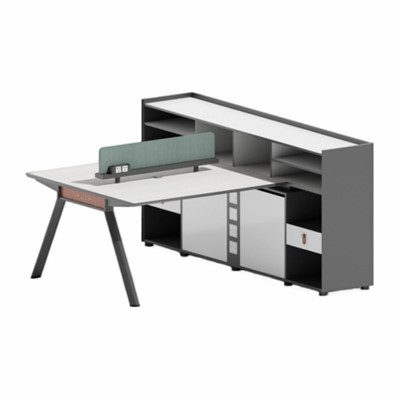
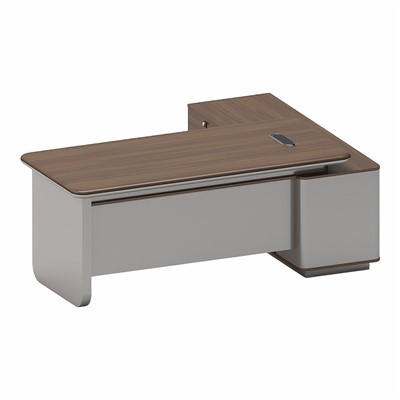
Hotel furniture plays a crucial role in hotel operations, extending far beyond simple furnishing. Firstly, functionally, hotel furniture provides essential support for guests. Comfortable beds ensure a good night's sleep, while tables and chairs meet the needs of writing, dining, and temporary work.
Wardrobes and storage systems help guests organize their clothing and belongings, keeping rooms tidy and organized. Bathroom furniture enhances convenience, collectively creating a safe and comfortable living environment. Secondly, hotel furniture plays a decisive role in space planning and circulation design. A well-planned furniture layout optimizes room space, guides pedestrian flow, avoids congestion, and improves efficiency.
For example, customized furniture design can maximize functionality within limited space, particularly suitable for compact rooms in city centers. In public areas such as the lobby, restaurant, and meeting rooms, furniture configuration directly impacts guests' first impressions and willingness to stay.
Comfortable sofa sets and ergonomically designed seating can extend guests' stay and enhance the venue's appeal. Furthermore, hotel furniture is also an important carrier of brand image and cultural expression. Different styles of furniture, such as modern minimalist, neo-Chinese, European classical, or industrial, can convey specific aesthetic concepts and positioning levels.
High-end hotels often use furniture made with exquisite materials and fine craftsmanship to highlight quality and a distinguished experience; while boutique hotels tend to showcase regional culture or artistic themes through unique design languages, making the furniture part of the narrative, thereby strengthening guests' brand awareness and emotional connection. Furthermore, hotel furniture must also be durable and easy to maintain. Due to high usage frequency and rapid turnover, furniture must withstand long-term repeated use without easily breaking down.
Using wear-resistant fabrics, scratch-resistant panels, and robust structural designs can reduce maintenance and replacement costs and extend asset lifespan. Simultaneously, surface materials must possess antibacterial, stain-resistant, and easy-to-clean properties to adapt to intensive cleaning and disinfection processes, ensuring hygiene and safety standards.
Finally, with the popularization of sustainable development concepts, environmentally friendly hotel furniture is receiving increasing attention. Using renewable materials, low-volatile organic compound (VOC) coatings, and modular designs for easy disassembly and replacement not only reduces environmental impact but also aligns with contemporary consumers' expectations for green consumption.