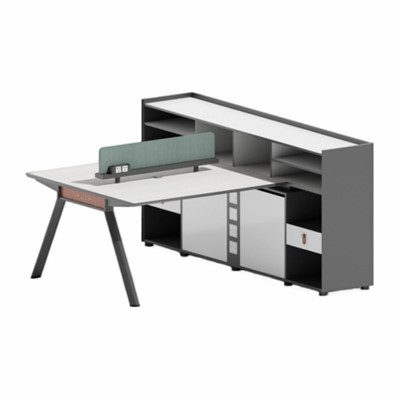
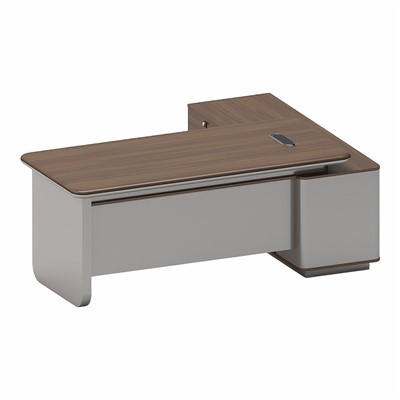
To determine if solid wood office furniture needs maintenance, a comprehensive assessment can be made by observing signs such as gloss, texture, environmental changes, and surface damage.
1. Appearance Changes: Dull Gloss, Uneven Color
Decreased Gloss: A previously glossy surface becomes dull and lackluster, a clear sign of coating aging and wood loss of oil.
Noticeable Color Difference: Long-term sun exposure or localized friction causes color fading, especially noticeable in areas near windows, indicating the need for timely maintenance to balance the color.
Minor Cracking or End Cracks: Tiny cracks appear at the ends or joints of the wood, especially after the dry season, indicating severe moisture loss in the wood.
2. Abnormal Texture
Rough or Dry Touching the furniture surface, if it no longer feels smooth, or even has a "gritty" or grainy feel, it indicates that the protective layer has worn away, and dust particles have become embedded in the wood grain.
Noticeably dry and whitish edges and corners indicate exposed wood fibers and an urgent need for nourishment.
3. Environmental Factors Triggering Maintenance Needs
Seasonal Changes: Before the dry autumn and winter seasons and after the spring and summer rainy seasons, drastic humidity changes can easily cause expansion and contraction deformation. It is recommended to proactively check and maintain the wood.
Underfloor Heating or Prolonged Air Conditioning Operation: Indoor air becomes extremely dry, causing continuous moisture loss in the wood. Moisturizing care should be performed in advance.
4. Signs of Use and Damage
Increased Minor Scratches: Numerous small scratches appear during daily use, affecting the appearance. These can be repaired by waxing.
Stains That Are Difficult to Remove: Water stains and oil stains cannot be removed by ordinary wiping, indicating a decrease in surface protection. Cleaning is required to rebuild the protective layer.