In the dynamic world of laboratory research, the working table stands as a cornerstone of functionality and efficiency. As a trusted supplier of laboratory working tables, I've witnessed firsthand the diverse needs of researchers and the wide array of table styles designed to meet them. In this blog, we'll explore the different styles of working tables in a laboratory, highlighting their unique features, applications, and benefits.
1. Standard Laboratory Tables
Standard laboratory tables are the most common type, offering a versatile and cost - effective solution for general laboratory work. These tables typically feature a flat, smooth surface made of materials such as epoxy resin, phenolic resin, or stainless steel.
Epoxy resin tables are highly resistant to chemicals, heat, and scratches, making them ideal for laboratories where chemical spills are common. They are also easy to clean and maintain, ensuring a hygienic working environment. Phenolic resin tables, on the other hand, are known for their durability and affordability. They provide a stable surface for a variety of laboratory tasks and are suitable for both wet and dry work areas.
Stainless steel tables are another popular choice, especially in laboratories where cleanliness and corrosion resistance are crucial. They are often used in medical, pharmaceutical, and food research laboratories. Stainless steel tables are easy to sanitize and can withstand high - pressure cleaning, making them ideal for environments with strict hygiene requirements.
2. Adjustable Height Tables
Adjustable height tables are designed to provide ergonomic support for laboratory workers. These tables can be adjusted to different heights, allowing users to work in a comfortable position, whether they are standing or sitting. This is particularly important in laboratories where workers may spend long hours performing tasks, as it helps to reduce the risk of musculoskeletal disorders.

There are two main types of adjustable height tables: manual and electric. Manual adjustable height tables are operated by a hand - crank mechanism, which allows users to adjust the height of the table in a step - by - step manner. Electric adjustable height tables, on the other hand, are powered by a motor and can be adjusted with the push of a button. They offer more precise height adjustment and are often preferred in modern laboratories.
3. Fume Hood Tables
Fume hood tables are designed to protect laboratory workers from harmful fumes and vapors. These tables are typically integrated with a fume hood, which is a ventilation device that captures and removes hazardous substances from the air. Fume hood tables are commonly used in chemistry, biology, and environmental science laboratories, where the use of volatile chemicals is common.
The fume hood on a fume hood table is designed to draw air into the hood and exhaust it outside the laboratory. This helps to prevent the accumulation of toxic fumes and ensures a safe working environment. Fume hood tables are available in different sizes and configurations to meet the specific needs of different laboratories.
4. Cleanroom Tables
Cleanroom tables are used in laboratories where a high level of cleanliness is required, such as semiconductor manufacturing, biotechnology, and pharmaceutical research. These tables are designed to minimize the generation of particles and contaminants, ensuring a clean and controlled environment.
Cleanroom tables are typically made of materials such as stainless steel or plastic, which are easy to clean and disinfect. They are also designed with smooth surfaces and rounded edges to prevent the accumulation of dust and debris. In addition, cleanroom tables are often equipped with HEPA filters to remove airborne particles from the air.
5. Mobile Tables
Mobile tables are a convenient option for laboratories where flexibility is key. These tables are equipped with wheels, allowing them to be easily moved around the laboratory. Mobile tables are useful for tasks that require mobility, such as transporting equipment or samples from one area of the laboratory to another.
Mobile tables can be used in a variety of laboratory settings, including research laboratories, teaching laboratories, and industrial laboratories. They are available in different sizes and configurations to meet the specific needs of different laboratories.
6. Combination Tables
Combination tables are designed to combine the features of different types of working tables. For example, a combination table may include an adjustable height feature, a fume hood, and a built - in storage cabinet. These tables are ideal for laboratories where space is limited and multiple functions are required.
Combination tables can be customized to meet the specific needs of different laboratories. They offer a cost - effective solution for laboratories that require a high level of functionality and flexibility.
Related Laboratory Furniture
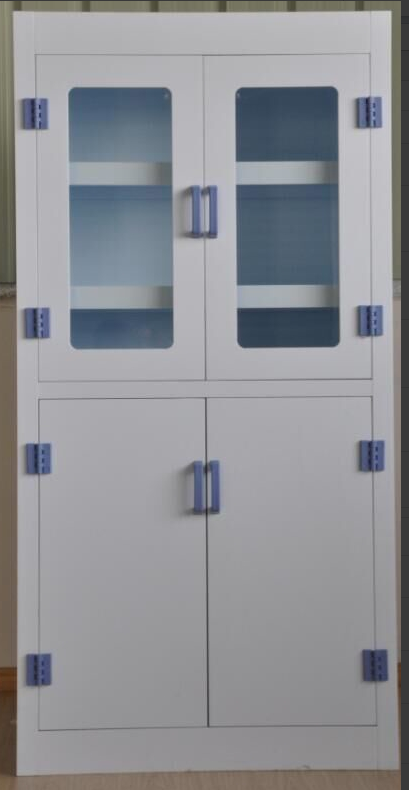
In addition to working tables, there are several other types of laboratory furniture that are essential for a well - equipped laboratory. For example, Laboratory Chemical Cabinet is used to store chemicals safely. These cabinets are designed to prevent the leakage of chemicals and protect laboratory workers from exposure to hazardous substances.
Anti - Static PVC Floor is another important component of a laboratory. It helps to prevent the build - up of static electricity, which can damage sensitive electronic equipment and cause fires or explosions.
Laboratory Reagent Rack is used to store and organize laboratory reagents. These racks are available in different sizes and configurations to meet the specific needs of different laboratories.
Conclusion
In conclusion, the choice of working table in a laboratory depends on a variety of factors, including the type of work being conducted, the available space, and the budget. As a supplier of laboratory working tables, we understand the importance of providing high - quality, reliable products that meet the specific needs of our customers.
If you are in the market for laboratory working tables or other laboratory furniture, we encourage you to contact us for a consultation. Our team of experts can help you choose the right products for your laboratory and provide you with the support and service you need. Whether you need a standard laboratory table, an adjustable height table, or a combination table, we have the solution for you.
References
- Laboratory Furniture Handbook, 2nd Edition
- Principles of Laboratory Design and Equipment Selection