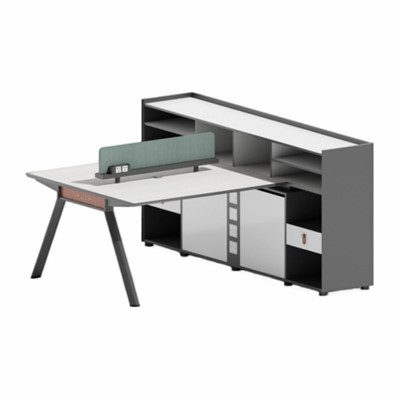
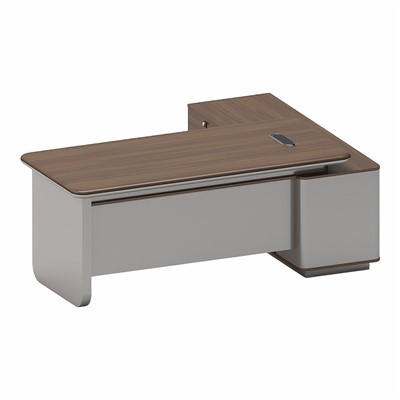
The structural characteristics of office furniture are mainly reflected in modular design, standardized interfaces, diverse materials, and ergonomic fit to meet the needs of efficient, flexible, and durable office work.
1. Modular and Demountable Structure
Modern office furniture generally adopts modular design, supporting flexible combination and disassembly, facilitating transportation, installation, and space adjustment. For example:
Plate-type office furniture uses "standardized components + hardware interfaces" as its core structure, following the "32mm system" processing standard to ensure precise hole positioning and efficient assembly.
Partitions, filing cabinets, and conference tables are often designed as detachable units, adapting to rapid reconstruction for different office scenarios.
2. Material and Structural Adaptation
Different materials determine the structural characteristics of furniture:
Solid wood furniture: Uses mortise and tenon structures or solid wood frames, emphasizing natural textures and durability. Often used in executive offices, its structure integrates traditional craftsmanship with modern hardware (such as drawer slides and hinges). **Panel Furniture:** Made with particleboard and medium-density fiberboard (MDF) as the base material, with a melamine finish. Lightweight and low-cost, suitable for large-scale office spaces.
Steel Furniture: All-steel structure, using cold-rolled steel plates thicker than 0.7mm. Stability is enhanced through multiple bends and L-shaped thick plates for reinforcement. Excellent fire resistance, moisture resistance, and environmental performance.
3. Ergonomic Design: To improve comfort and health, office furniture emphasizes human-computer interaction in its structure:
Office Chairs: Ergonomically designed with adjustable backrest and seat height and angle, equipped with a lumbar support system. Some products integrate high-frequency dual-motor vibration.
Office Desks: Height-adjustable sit/stand desks are recommended. Optimized desktop edge curvature reduces wrist pressure. For executive desks exceeding 2 meters in length, a crossbeam is installed under the tabletop to prevent deformation.