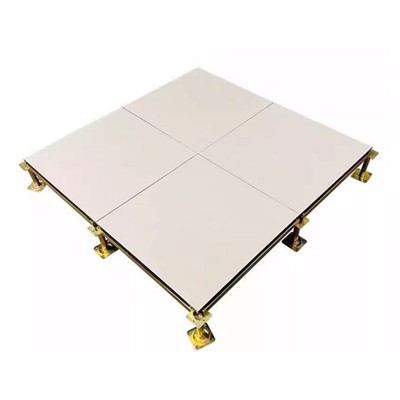
In the modern digital age, computer rooms play a crucial role in various industries, from corporate offices to data centers and educational institutions. The proper functioning of the equipment in these rooms is of utmost importance, and one often overlooked aspect is the choice of flooring. As a supplier of Anti-Static PVC Floor, I am frequently asked whether anti-static PVC floors can be used in a computer room. In this blog post, I will explore the suitability of anti-static PVC floors for computer rooms, discussing their benefits, considerations, and how they compare to other flooring options.
The Importance of Anti-Static Flooring in Computer Rooms
Computer rooms are filled with sensitive electronic equipment, such as servers, computers, and networking devices. These devices are highly susceptible to damage from electrostatic discharge (ESD). ESD occurs when two objects with different electrical potentials come into contact or are in close proximity, causing a sudden flow of electricity. Even a small ESD event can cause irreparable damage to electronic components, leading to system failures, data loss, and costly repairs.
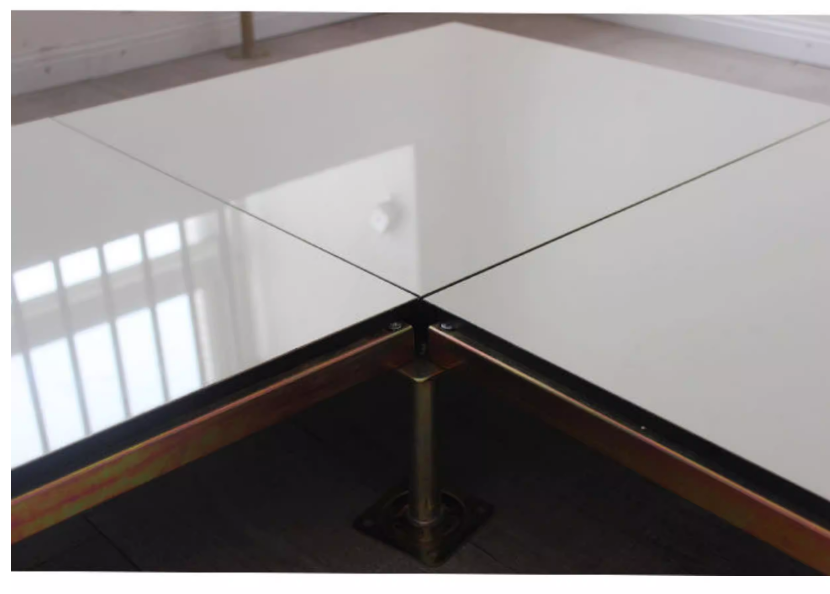
Anti-static flooring is designed to prevent the buildup and discharge of static electricity. It provides a controlled path for the dissipation of static charges, ensuring that the electrical potential in the room remains stable. By using anti-static flooring in a computer room, the risk of ESD damage to the equipment is significantly reduced, improving the reliability and longevity of the electronic devices.
Benefits of Anti-Static PVC Flooring
1. Static Dissipation
Anti-static PVC floors are engineered to have a low surface resistance, which allows them to effectively dissipate static charges. This is achieved through the use of conductive materials in the flooring composition. When a person walks on the floor or equipment is moved, any static electricity generated is safely conducted away, preventing it from accumulating and causing ESD events.
2. Durability
PVC (polyvinyl chloride) is a highly durable material that can withstand heavy foot traffic, equipment movement, and other wear and tear. Anti-static PVC floors are resistant to scratches, abrasions, and stains, making them ideal for computer rooms where there is constant activity. They also have a long lifespan, reducing the need for frequent replacements and saving on maintenance costs.
3. Easy Installation and Maintenance
Anti-static PVC floors are relatively easy to install compared to other flooring options. They can be installed over a variety of subfloors, including concrete, wood, and tile. The installation process is quick and does not require extensive downtime, minimizing disruptions to the computer room operations. Additionally, PVC floors are easy to clean and maintain. Regular sweeping and mopping are usually sufficient to keep the floor looking clean and in good condition.
4. Comfort and Safety
PVC floors provide a comfortable walking surface, which is important for employees who spend long hours in the computer room. They also have good slip resistance, reducing the risk of slips and falls. This is especially important in a computer room where employees may be carrying equipment or moving quickly.
Considerations When Using Anti-Static PVC Flooring in a Computer Room
1. Compatibility with Equipment
Before installing anti-static PVC flooring in a computer room, it is important to ensure that it is compatible with the equipment in the room. Some electronic devices may have specific requirements for the flooring material, such as a certain level of conductivity or resistance. It is recommended to consult with the equipment manufacturers or a flooring expert to determine the most suitable flooring option.
2. Installation Quality
The installation of anti-static PVC flooring is crucial for its performance. Improper installation can lead to gaps, uneven surfaces, or poor grounding, which can affect the static dissipation properties of the floor. It is important to hire a professional installer who has experience in installing anti-static flooring to ensure that the installation is done correctly.
3. Environmental Conditions
The performance of anti-static PVC flooring can be affected by environmental conditions, such as temperature and humidity. Extreme temperatures or high humidity levels can cause the flooring to expand or contract, leading to cracks or other damage. It is important to maintain a stable environment in the computer room to ensure the long-term performance of the flooring.
Comparison with Other Flooring Options
1. Carpet
Carpet is a popular flooring option for computer rooms due to its softness and sound absorption properties. However, traditional carpets can generate static electricity, which can be a problem in a computer room. Anti-static carpets are available, but they may not be as effective as anti-static PVC floors in dissipating static charges. Additionally, carpets can be difficult to clean and may harbor dust and allergens, which can affect the air quality in the computer room.
2. Tile
Tile flooring is durable and easy to clean, but it may not have the same anti-static properties as anti-static PVC floors. Some tiles may be treated with anti-static coatings, but these coatings may wear off over time, reducing their effectiveness. Tile flooring can also be slippery when wet, which can pose a safety hazard in a computer room.
3. Hardwood
Hardwood flooring is aesthetically pleasing and can add a touch of elegance to a computer room. However, it is not a good choice for anti-static purposes. Wood is a natural insulator and can generate static electricity. Additionally, hardwood floors can be damaged by moisture and scratches, which can be a problem in a computer room.
Conclusion
In conclusion, anti-static PVC flooring is a suitable choice for computer rooms. It offers numerous benefits, including static dissipation, durability, easy installation and maintenance, and comfort and safety. However, it is important to consider the compatibility with equipment, installation quality, and environmental conditions when using anti-static PVC flooring in a computer room. By choosing the right flooring option and ensuring proper installation and maintenance, you can protect your sensitive electronic equipment from ESD damage and create a safe and efficient working environment.
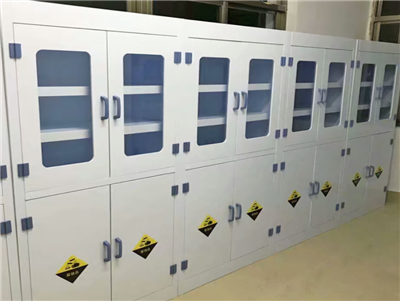
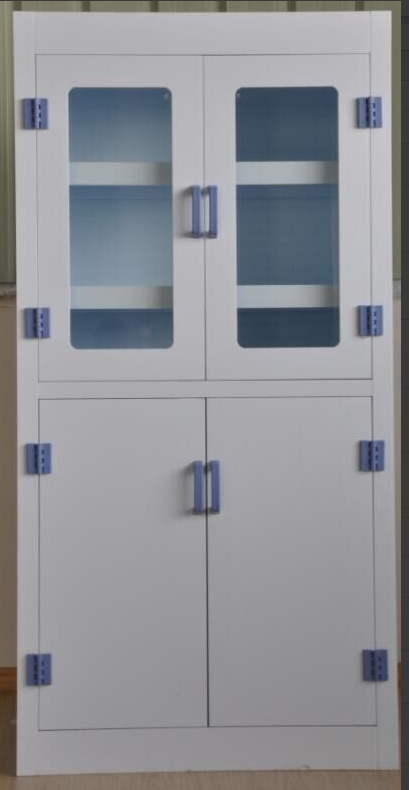
If you are considering installing anti-static PVC flooring in your computer room or have any questions about our Anti-Static PVC Floor, please feel free to contact us. We are a leading supplier of anti-static PVC flooring and other laboratory furniture, including Laboratory Chemical Cabinet and Anti Static Work Bench. Our team of experts can provide you with professional advice and guidance to help you make the best decision for your computer room.
References
- "Electrostatic Discharge in Electronic Systems." IEEE Transactions on Electromagnetic Compatibility, vol. 42, no. 3, 2000, pp. 231-240.
- "Anti-Static Flooring: A Guide for Facilities Managers." Facility Executive, 2018.
- "PVC Flooring: Properties, Applications, and Installation." Journal of Building Engineering, vol. 20, 2018, pp. 23-30.